
The Hidden Beauty of Queen Nefertari’s Tomb
The Hidden Beauty of Queen Nefertari’s Tomb
Deep in the Valley of the Queens in Luxor lies one of the most breathtaking treasures of Ancient Egypt — the Tomb of Queen Nefertari, the beloved wife of Pharaoh Ramses II. This tomb, known as QV66, is often called “the Sistine Chapel of Ancient Egypt” for its magnificent wall paintings and vivid colors that have survived for more than 3,000 years.
1. Who Was Queen Nefertari?
Queen Nefertari was not only the Great Royal Wife of Ramses II but also his closest companion and most trusted advisor. Her name means “The Most Beautiful of Them All.” She was deeply loved by the Pharaoh, who built temples and monuments in her honor, including the smaller temple at Abu Simbel.
2. Inside the Tomb
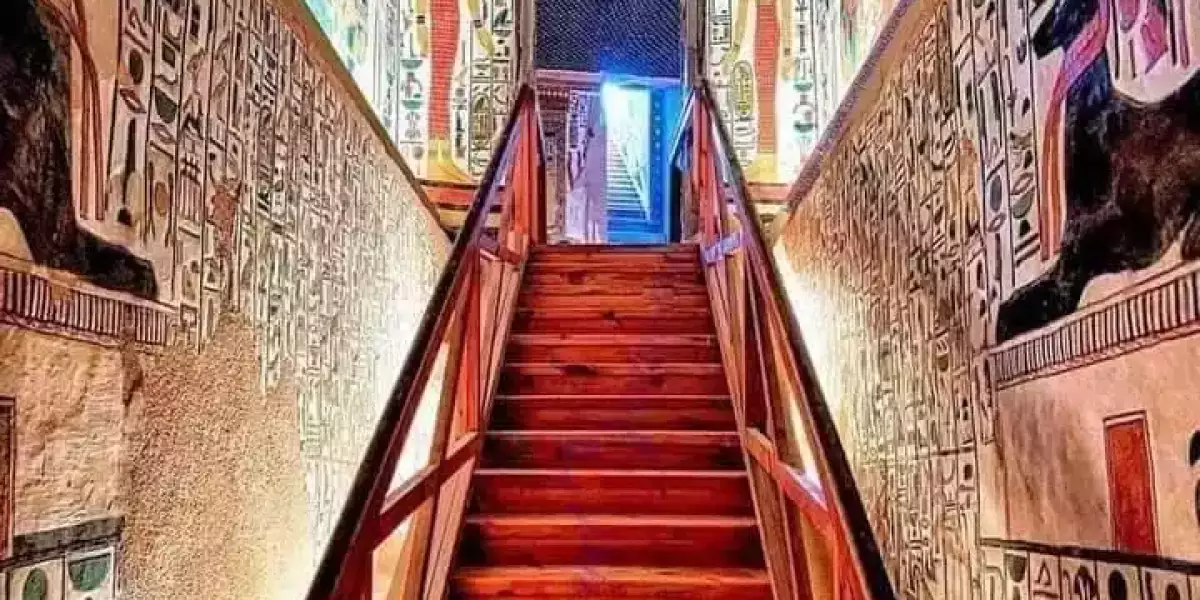
Discovered in 1904 by Italian archaeologist Ernesto Schiaparelli, Nefertari’s tomb is considered one of the most beautiful ever found. The walls are covered with bright scenes from the Book of the Dead, showing the queen’s journey to the afterlife, guided by gods like Isis, Hathor, and Anubis.
Each painting was made with natural colors — red, blue, yellow, and turquoise — symbolizing power, eternity, and divine protection. Despite being thousands of years old, the artwork still looks remarkably fresh and alive.
3. Symbolism and Art
Every detail inside the tomb carries deep meaning. The goddess Isis spreads her wings to protect Nefertari. The hieroglyphs tell prayers and blessings for eternal life. The ceiling is painted with golden stars on a dark blue background, representing the night sky — a symbol of her rebirth in eternity.
4. A Legacy That Lives On
Today, the tomb of Nefertari stands as a timeless symbol of love, art, and devotion. It reminds us of the incredible craftsmanship and spiritual beliefs that made Ancient Egypt one of the greatest civilizations in history.
Location: Valley of the Queens, Luxor, Egypt
Discovered: 1904
Dynasty: 19th Dynasty — Wife of Ramses II
Explore More
If you ever visit Luxor, don’t miss the chance to see the Tomb of Nefertari — it’s a journey through art, history, and timeless beauty.
Prepared, produced, and designed
by Mohamed Ragab Ghoneim